Auto Recycling in Edmonton
A car is one of the most recyclable things you'll ever own. Most of its weight, mainly steel and aluminum, can be recovered and turned into new metal. But that only happens when the car goes through a proper process. Here's what we do with every vehicle that comes to the end of its life, and why it matters for a city built around the North Saskatchewan River valley.
Recycle your car: [PHONE].
The Auto Recycling Process, Step by Step
Intake and records
The vehicle's VIN, the seller's ID and the transaction are recorded, as Alberta requires for scrap and recycling businesses. This creates a trail that helps fight vehicle and metal theft.
Depollution
Before anything else, all fluids are drained into proper containers:
- Engine oil and oil filter
- Coolant (antifreeze)
- Transmission and differential fluid
- Brake and power steering fluid
- Windshield washer fluid
- Fuel
- Air conditioning refrigerant, which must be recovered with special equipment
Used oil is re-refined or used as fuel. Coolant can be recycled. Fuel is reused. Refrigerant is recovered rather than vented into the air.
Hazardous parts removed
The battery goes to a battery recycler, where the lead and plastic are recovered. Mercury switches (in older vehicles) are removed. Undeployed airbags are handled safely. Tires are sent to tire recycling.
Parts harvesting
Engines, transmissions, alternators, starters, doors, mirrors, lights, seats and wheels that still work are removed, tested and resold. Reusing a part saves all the energy needed to make a new one.
Catalytic converter recovery
Converters are removed and sent to specialist refiners who recover the platinum group metals inside.
Shredding and sorting
The remaining shell is crushed, transported to a shredder and broken into fist-sized pieces. Magnets pull out steel. Other systems separate aluminum, copper and other metals. What's left (plastics, foam, glass and fabric) is called shredder residue.
Back into use
Sorted metals are sold to mills and smelters, where they're melted down to make new steel and aluminum products, including new cars.
Why Proper Recycling Matters
- Soil and water. A single car can hold more than 15 litres of fluids. A car left in a field or broken up in a backyard slowly leaks them into the ground.
- Energy. Making steel from scrap uses much less energy than making it from iron ore.
- Theft. Licensed recycling with ID checks makes it harder for stolen cars and parts to be sold.
Recycling Doesn't Cost You Anything
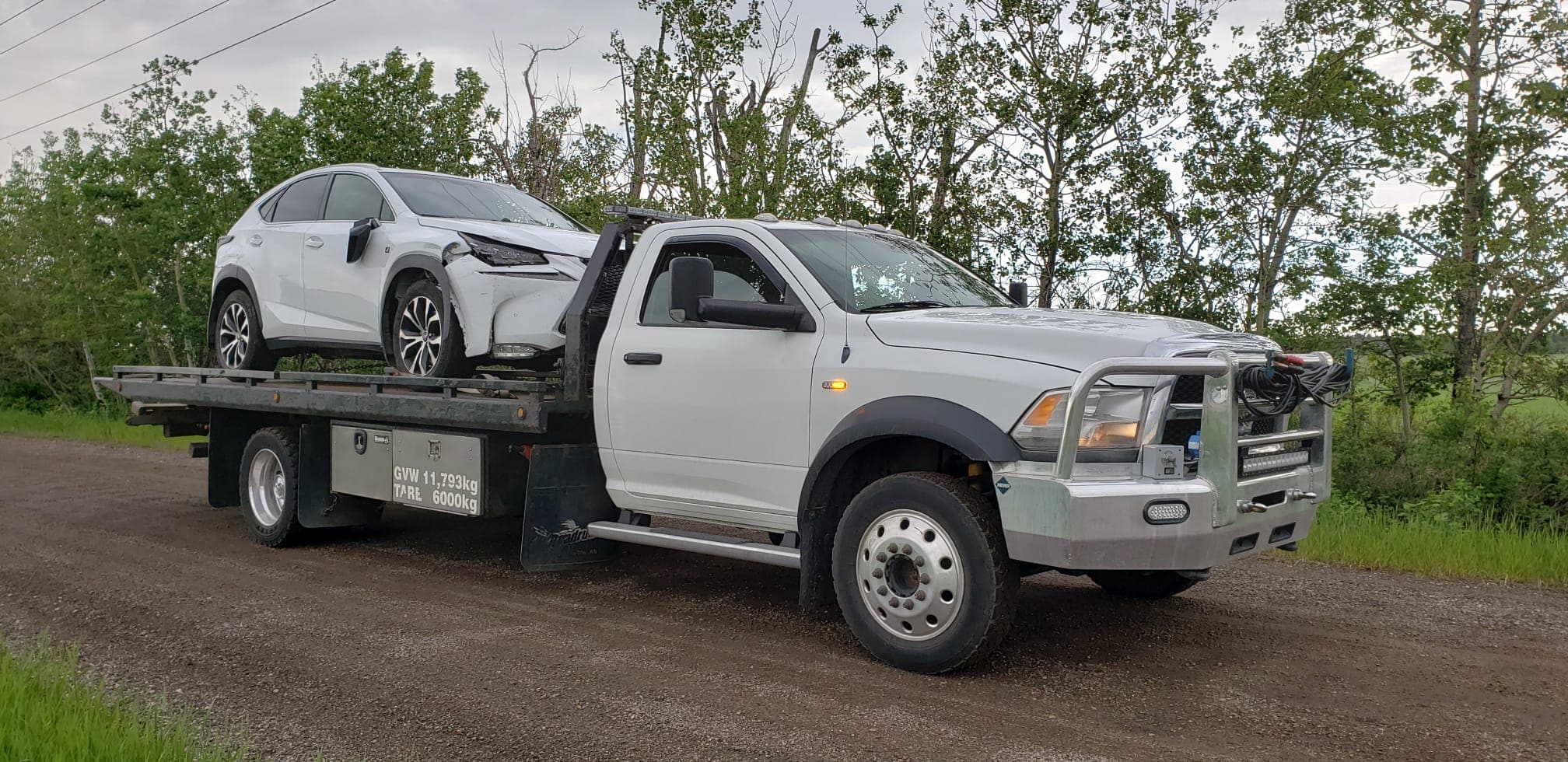
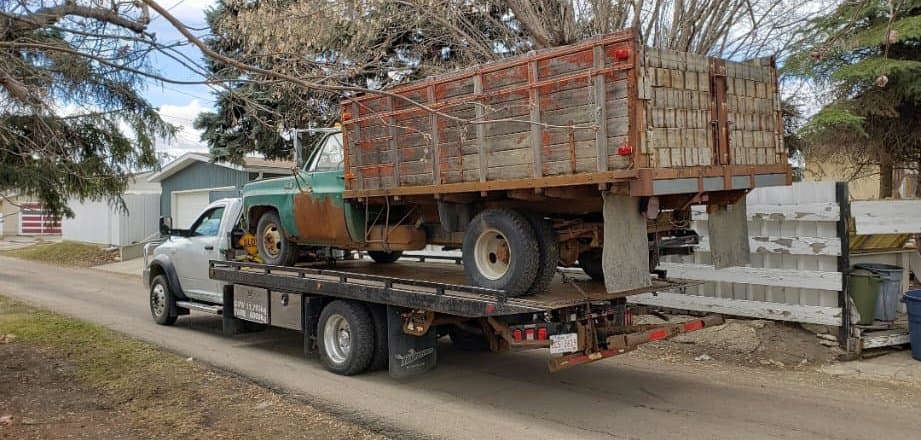
You don't pay to recycle your car with us. We buy it, pick it up for free, and pay you before it leaves. The value of the parts and metal covers the recycling costs.
FAQs
How much of a car can be recycled?+
Most of it by weight, mainly the metals. Plastics, glass and fabrics are harder to recycle, and recovery rates for those are improving.
Do you recycle electric and hybrid vehicles?+
[Confirm your policy. High-voltage batteries need specialist handling.]
Can I get a record that my car was recycled?+
Your bill of sale is your proof of transfer.